Anion Gap Calculator for Evaluating changes in anion gap
What exactly is the Anion Gap?
The anion gap is a calculated value used to aid in assessing metabolic acidosis and other kinds of acid-base balance disturbance. It is obtained from common serum electrolytes on an electrolyte panel, especially serum sodium, serum chloride, and serum bicarbonate. Clinicians use it as a useful diagnostic tool to determine whether an electrolyte imbalance indicates an unmeasured acid buildup or another process.
At a basic level, the anion gap compares the main measured cations and anions in blood chemistry. Because routine testing does not measure every charged particle in the bloodstream, the gap estimates the difference between what is measured and what is not. This makes it especially useful in clinical assessment of unexplained acidosis, where the pattern of laboratory values can point toward the cause.
The anion gap is not a diagnosis by itself. Instead, it helps narrow the possibilities when a patient has an acid-base disturbance. A high value may imply excess acids in the blood, while a normal or low value may suggest a different process such as hyperchloremia, hypoalbuminemia, or even lab error. Understanding the context is essential for accurate interpretation.
The way the Anion Gap Calculator Works
An anion gap calculator streamlines the anion gap formula and may also apply albumin correction when needed. Typical calculators use sodium, chloride, and bicarbonate values to deliver a result promptly and uniformly. This is especially helpful when you want to calculate anion gap during urgent review of serum electrolytes.
Here is the usual formula:
Anion gap = Serum sodium − (Serum chloride + Serum bicarbonate)
Some modern versions include potassium inclusion, which changes the formula slightly by adding potassium to the cation side. However, many modern references and calculators omit potassium because it contributes relatively little in most cases. The calculator’s output should always be compared with the expected reference range used by the laboratory or institution.
Albumin correction matters because albumin is a major unmeasured anion. If albumin is low, the anion gap may look falsely normal or only mildly elevated. A corrected anion gap gives a more accurate picture of the acid-base state, especially in patients with illness, malnutrition, liver disease, or fluid overload. The calculator may therefore offer both an uncorrected and corrected result for better clinical assessment.
In practice, the anion gap calculator acts as a fast diagnostic tool that helps interpret the patient’s blood chemistry in context. The number alone is not enough; the surrounding sodium level, chloride level, and bicarbonate level help determine whether the result reflects true pathology or a measurement issue.
How to Calculate Anion Gap Change
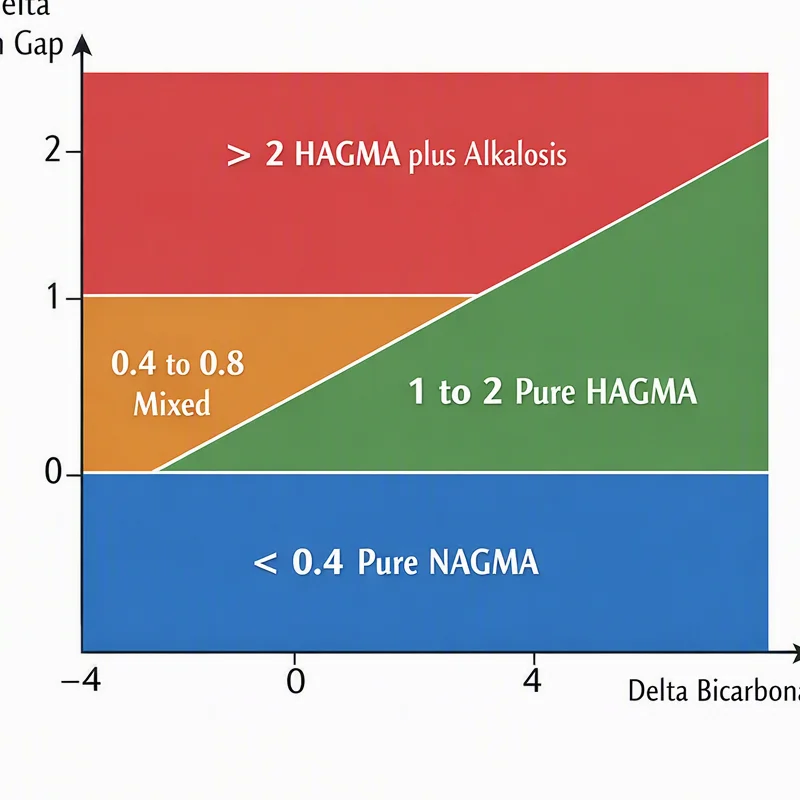
After the original anion gap is known, the following step is to assess anion gap variation. This is where the delta gap and delta-to-delta ratio come into play. Such calculations help determine whether the acid-base picture is single-process or whether a mixed disorder is present.
The measured anion gap is the value currently derived from the patient’s lab results. The normal anion gap is the typical normal value, often near the center of the lab’s reference range. The variation between the measured anion gap and the baseline anion gap is the delta gap:
Delta gap = Measured anion gap − Baseline anion gap
This value is compared with the change in bicarbonate. The delta ratio, also called the ratio of deltas, helps determine whether the drop in bicarbonate is commensurate to the rise in anion gap. If the two changes do not align, there may be more than one acid-base process occurring.
For example, a high anion gap can occur together with metabolic alkalosis or with a separate normal-gap acidosis. That is why the delta gap is so valuable in interpreting unanticipated acidosis. It adds a further layer of interpretation beyond a single number and improves detection of a mixed disorder.
Interpreting a Increased Anion Gap
A increased anion gap often points to high anion gap metabolic acidosis, a pattern caused by presence of unmeasured acids. This is a frequent concern in acute care and intensive care settings because it can suggest significant illness. The anion gap calculator helps spot the finding quickly, but the cause must still be determined through the full clinical picture.
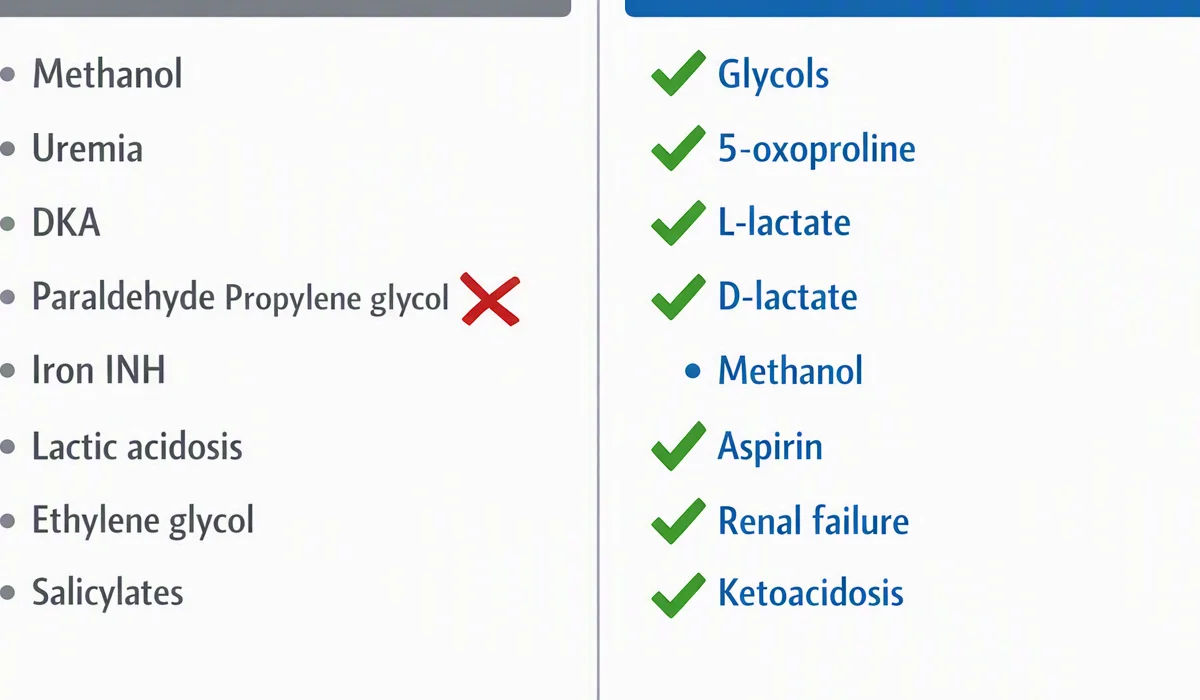
Common causes include lactic acidosis, ketoacidosis, https://anion-gap-reference004.opalvector.com/posts/anion-gap-calculator-expected-range-and-analysis renal failure, and exposure to toxic alcohols. In lactic acidosis, poor tissue oxygen delivery or decreased clearance leads to lactate buildup. In ketoacidosis, ketone bodies raise acid burden, often in diabetes, starvation, or alcohol-related illness. In renal failure, reduced acid excretion contributes to rising unmeasured anions.
When the anion gap is raised, clinicians usually review the patient’s blood chemistry, symptoms, and risk factors. A high result is not exclusive to one disorder. Instead, it points to a type of disease that requires further workup. The anion gap calculator assists sort out the differential, but the final diagnosis depends on clinical context and other laboratory values.
In suspected toxic alcohol ingestion, an elevated anion gap may appear before other abnormalities become obvious. That makes the calculation especially helpful as an initial warning sign. Still, the gap may evolve over time, so serial testing can be necessary when managing critical metabolic disorders.
Explaining a Expected or Reduced Anion Gap
A within-range anion gap does not eliminate metabolic acidosis. Indeed, normal anion gap metabolic acidosis is a key form of acid-base disturbance and frequently suggests bicarbonate loss with compensatory chloride gain. That is why, the calculator must be used alongside the chloride level and bicarbonate level, not in isolation.
One common reason for a normal-gap pattern is hyperchloremia. When chloride rises to replace lost bicarbonate, the anion gap may stay within the reference range even though the patient is acidotic. This pattern is seen in diarrhea, renal tubular disorders, and some medication effects.
A low anion gap is less common but can occur with hypoalbuminemia, since albumin is a major unmeasured anion. When albumin is reduced, the gap may appear artificially low unless albumin correction is applied. Low values may also reflect analytical issues, including lab error or problems with specimen handling. In that setting, repeating the electrolyte panel is often appropriate.
Because a low or normal gap can mask clinically important disease, the anion gap calculator should be interpreted with caution. The absence of a high gap does not mean the patient’s acid-base balance is normal. It simply means the pattern points toward another mechanism that requires a different diagnostic approach.
Sequential Demo Using the Calculator
This brief sample calculation shows how well the calculator can be used in clinical practice. Assume the labs are:
- Sodium: 140
- Serum chloride: 100
- Bicarbonate: 14
- Albumin: low
Initially, plug in the formula:
Anion gap = 140 − (100 + 14) = 26
This indicates an elevated gap. Should the lab’s baseline or expected normal value is 12, the gap difference is:
Delta gap = 26 − 12 = 14
Next, compare the increase in anion gap with the fall in bicarbonate. If the bicarbonate dropped from a normal value of 24 to 14, the decrease is 10. The delta-delta ratio is about 14 divided by 10, or 1.4. That pattern may indicate a primary high gap acidosis with possible further acid-base influence, depending on the full picture.
If albumin is low, the corrected anion gap may be even higher after albumin correction. That can change the impression from borderline to overtly abnormal. The final acid-base interpretation should incorporate the patient’s symptoms, medications, kidney function, and any evidence of lactate or ketone production.
Here, the calculator does more than produce a number. It assists the clinician identify whether the patient likely has a pure high-gap process or a mixed acid-base disorder that requires closer investigation.
Common Pitfalls and Limitations
While the anion gap calculator is helpful, it has limitations. One major issue is albumin adjustment. When albumin is not considered, the result may be deceptive, especially in critically ill patients. Because albumin strongly influences the gap, ignoring it can mask an significant metabolic disorder.
Laboratory variability is another issue. Small differences in measurement methods can shift the result enough to affect whether it is labeled normal or abnormal. For this reason the calculator should be used with the lab-specific reference range rather than a general assumption.
Another pitfall is overreliance on one number. A patient may have a high anion gap and still have an additional process such as metabolic alkalosis. Likewise, a patient may have a normal gap and still be quite ill. Proper interpretation requires awareness of the full clinical context and the possibility of mixed acid-base disorders.
Finally, the calculator cannot replace judgment. It can structure data and improve recognition of acid-base disorders, but it cannot determine whether the abnormality reflects lactic acidosis, ketoacidosis, renal failure, toxic alcohols, or another cause. The result is best treated as a starting point to the next step in evaluation.
When to Consider the Anion Gap in Clinical Practice
The anion gap is especially valuable during evaluation of metabolic acidosis. It helps determine whether the acidosis is due to buildup of unmeasured acids or to bicarbonate loss with compensatory chloride increase. This makes it an essential part of many diagnostic workflows in acute care.
It is particularly important in intensive care and emergency medicine, where clinicians often need rapid interpretation of serum sodium, serum chloride, and serum bicarbonate. In these cases, the anion gap calculator provides a quick way to identify dangerous patterns and to track anion gap change over time.
It is likewise helpful in kidney failure, where acid retention can raise the gap, and in suspected toxin exposure, where early detection can guide urgent management. When used alongside the full electrolyte panel, the calculator becomes a practical part of bedside reasoning rather than just a mathematical exercise.
Since it reflects underlying serum chemistry, the anion gap is most effective when repeated serially and compared with the patient’s course. Trending the number can help determine whether treatment is improving the metabolic disorder or whether new pathology is developing.
FAQ About Anion Gap Change
How do you use an Anion Gap Calculator for anion gap change?
Enter the serum sodium, serum chloride, and serum bicarbonate values into the anion gap calculator. Then compare the result with the expected normal or baseline value to determine the anion gap change. If needed, apply albumin correction to get a more accurate corrected anion gap. This aids acid-base interpretation and reveals a mixed disorder.
What is the delta gap and why does it matter?
The delta gap is the difference between the measured anion gap and the baseline anion gap. It matters because it helps uncover whether the bicarbonate fall matches the rise in the gap. When paired with the delta-delta ratio, it can uncover a mixed acid-base disorder that might otherwise be missed.
Do you need to adjust the anion gap for albumin?
Often, yes. Albumin is a key unmeasured anion, so low albumin can make the anion gap appear falsely normal or low. Albumin correction enhances accuracy, notably in patients with medical conditions, malnutrition, or other conditions that lower albumin levels. Correcting for albumin can alter the clinical assessment significantly.
What does a high anion gap mean?
A high anion gap usually indicates high anion gap metabolic acidosis. Common causes include lactic acidosis, ketoacidosis, renal failure, and toxic alcohols. It does not reveal the exact cause by itself, but it shows that unmeasured acids are likely adding to the acidosis.
Can a normal anion gap still occur with metabolic acidosis?
Absolutely. Normal anion gap metabolic acidosis is often seen and often reflects bicarbonate loss with a rise in chloride, or hyperchloremia. It can also be seen if the patient has hypoalbuminemia or if the result is affected by lab error. A normal value does not rule out acid-base disease, so the full clinical context remains crucial.