Can the Anion Gap Be Used to Monitor Treatment?
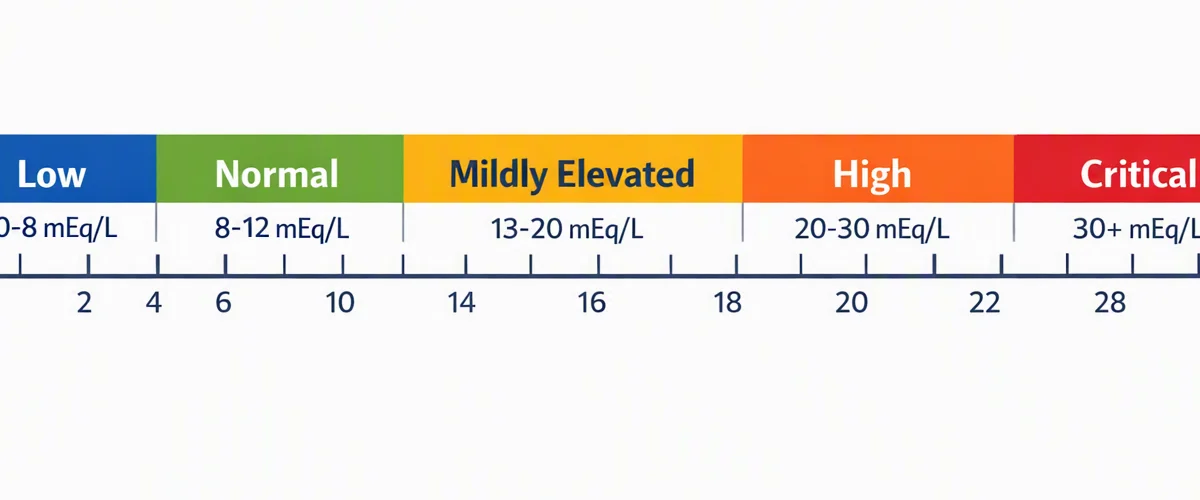
What the Anion Gap Evaluates
The anion gap is a calculated value that helps doctors assess acid-base balance by reviewing the major measured electrolytes in blood. It is commonly determined from sodium, chloride, and bicarbonate, and it offers a fast way to look for unmeasured acids in the bloodstream. Because it reflects the balance between positively and negatively charged particles, the anion gap can serve as a valuable diagnostic marker in a suspected metabolic disorder.
In practical terms, the anion gap helps identify whether a patient has metabolic acidosis, especially high anion gap metabolic acidosis. That pattern can occur when acids accumulate, such as in lactic acidosis, ketoacidosis, or toxin-related illness. The value is not diagnostic on its own, but it is an important clue about the underlying cause of an acid-base problem.
Because the calculation depends on the electrolyte panel, any change in those measured substances can affect the result. That is why understanding the numbers behind the test matters before using it to monitor treatment or track improvement.
How an Anion Gap Calculator Works
An anion gap calculator takes common lab inputs to determine the gap rapidly and consistently. Most formulas use sodium, chloride, and bicarbonate, though some versions also account for potassium. The basic idea is straightforward: compare the main measured cations and anions to estimate the amount of unmeasured acid in the blood.
The role of serum bicarbonate is especially important because bicarbonate usually falls when metabolic acidosis is present. If bicarbonate is low and the anion gap is elevated, the pattern often suggests build-up of organic acids or other unmeasured anions. The calculator can therefore help outline what is happening in the patient’s acid-base status.
Albumin also matters. Since serum albumin is a major unmeasured anion, low albumin can make the anion gap appear falsely low or normal. For that reason, clinicians may apply albumin correction to estimate a corrected anion gap. This improves lab interpretation and reduces the chance of missing a clinically important acid-base https://anion-gap-values042.cloudhinter.com/posts/anion-gap-calculator-for-intensive-care-decision-making abnormality.
Every result should be judged against the local reference range, because normal values vary somewhat from one laboratory to another. A mildly elevated result may mean different things depending on the patient’s baseline, the testing method, and the broader clinical context.
When the Anion Gap Can Help Follow Treatment
The anion gap can be useful during treatment when the goal is to monitor the treatment response of a high-gap acidosis. In conditions like ketoacidosis and lactic acidosis, a falling gap often shows that the source of the acid load is being treated. In this setting, the anion gap can help clinicians track improvement over time.
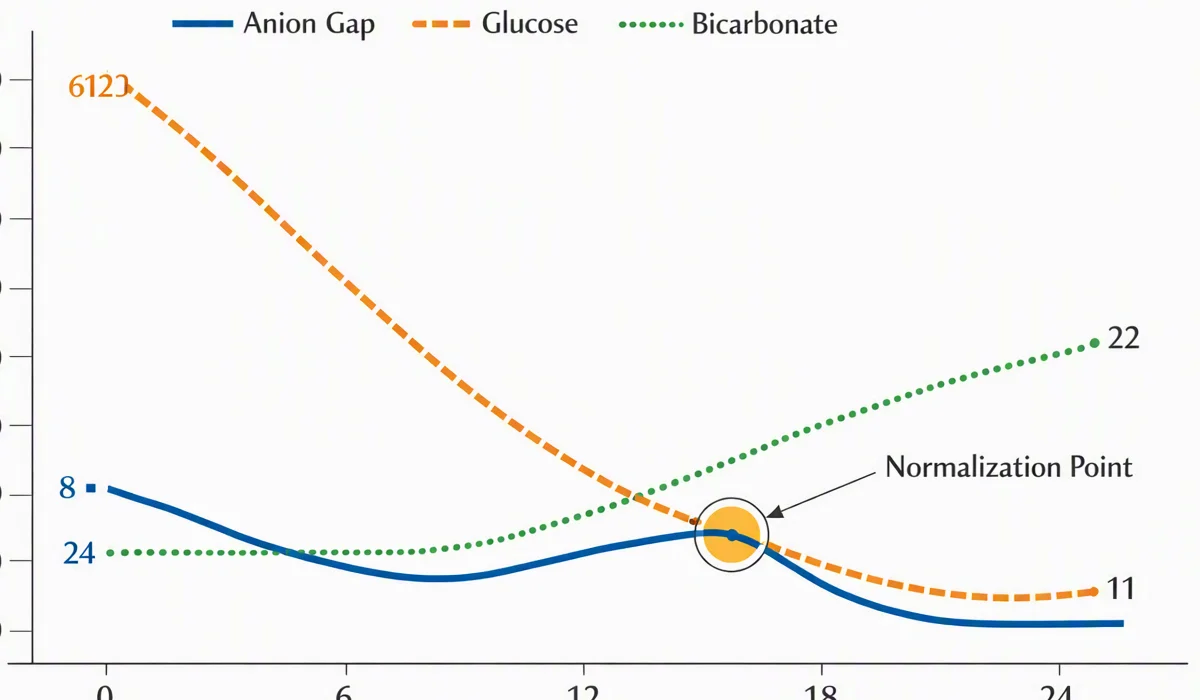
For example, in diabetic ketoacidosis, serial changes in the anion gap may indicate whether ketone production is easing and acid is resolving. As insulin therapy, fluids, and electrolyte replacement take effect, the gap often decreases before full normalization of every lab value. The same principle can apply in lactic acidosis when perfusion improves and lactate production drops.
In these situations, the anion gap is especially helpful as a severity assessment and a trend over time marker. A decreasing value can support the idea that treatment is working, while a persistently high value may suggest that the underlying cause has not yet resolved. Still, the anion gap should be viewed as one piece of a larger picture rather than the only endpoint for care.
How come the Anion Gap Alone Isn’t Enough
Although the anion gap is valuable, it should not be used in isolation. A key limitation is that low albumin can mask a true elevation, which is why albumin correction is so important. Without that adjustment, a patient with marked metabolic acidosis may appear to have a normal result.
A further concern is the presence of mixed acid-base disorders. A patient can have high-gap acidosis and another simultaneous process, such as vomiting-related alkalosis or respiratory compensation. In these cases, the number alone can be misleading unless interpreted with the full blood chemistry and blood gas data.
The delta gap helps identify these mixed patterns by comparing the change in anion gap with the change in bicarbonate. This can indicate whether the apparent acidosis is behaving as expected or whether another disorder is present. Using the delta gap enhances clinical reasoning and helps avoid overreading a single value.
That is why clinical context remains vital. The anion gap can suggest a problem, but it cannot tell you whether the cause is kidney injury, sepsis, diabetic ketoacidosis, ingestion, or another metabolic disorder. It is best used alongside the patient’s symptoms, exam findings, and overall trajectory.
Additional Checks Used to Measure Recovery
To determine whether therapy is actually working, clinicians usually combine the anion gap with other tests. A blood gas, especially an arterial blood gas, can display pH, respiratory compensation, and the degree of acidemia. This supports determine whether the acid-base disturbance is getting better in a way that follows the anion gap trend.
A bicarbonate level is also essential because it indicates the buffering status of the body. If bicarbonate is rising and the gap is falling, that often suggests resolution of acidosis. However, bicarbonate may trail other markers, so a single normalizing value does not automatically mean the issue is fully resolved.
Based on the cause, clinicians may follow lactate to track lactic acidosis or ketones to track diabetic ketoacidosis and other forms of ketosis. These direct markers often offer a clearer picture of the metabolic source than the gap alone. When used together, they improve follow-up labs and increase the ability to monitor treatment accurately.
How to Interpret Shifting Anion Gap Values
Interpreting serial results depends on trend data, not a single value. A declining trajectory often indicates that the acid load is decreasing, especially when paired with better symptoms and other lab markers. A returned-to-normal gap may suggest meaningful progress, but it does not always guarantee complete recovery.
For instance, a patient can have a normalized gap while still showing ongoing acidosis on a blood gas if another process is present. Likewise, the gap may remain mildly elevated because the underlying cause is still active or because treatment has not yet fully corrected the disorder. In that sense, the gap is best used as part of a broader pattern of serial lab values.
The most useful interpretation comes from combining the gap with the patient’s trajectory. If the gap is falling, lactate is decreasing, ketones are fading, and bicarbonate is rising, the overall picture supports recovery. If the gap is flat or rising, clinicians should reassess the diagnosis, the treatment plan, and the possibility of another hidden process.
When to Obtain Medical Interpretation
Medical interpretation is important whenever an abnormal anion gap appears with concerning symptoms. Warning signs such as rapid breathing, mental confusion, severe vomiting, chest pain, dehydration, or worsening weakness can point to a serious acid-base disturbance that needs immediate review. The same is true if there is a suspected ingestion, infection, or uncontrolled diabetes.
Urgent evaluation is especially important when there is concern for poisoning or toxic ingestion, since these can cause severe high-gap acidosis. Kidney disease also requires close attention, because impaired kidney function can contribute to acid retention and renal failure can complicate treatment response. In these cases, the anion gap is informative, but it is never sufficient on its own.
Clinicians may need to review the full electrolyte panel, blood gas, lactate, ketones, and kidney markers before deciding whether the change indicates recovery or an ongoing emergency. If the pattern does not match the patient’s condition, repeat testing and expert interpretation can help clarify the situation.
Frequently Asked Questions: Anion Gap & Treatment Monitoring
May anion gap be used to monitor treatment progress?
Yes, the anion gap can help monitor when a patient has high anion gap metabolic acidosis. It is most useful as a long-term trend marker that can help clinicians monitor progress and evaluate response to treatment. It works best when paired with other laboratory results and the underlying diagnosis.
Does a normal anion gap mean treatment is working?
Not always. A regular value may imply betterment, but it does not demonstrate full resolution. The gap can return to normal before all acid-base problems have been corrected, and it can also be falsely normal if albumin is low. The result should always be assessed in clinical context with symptoms, blood gas data, and other lab values.
How often should the anion gap be rechecked during treatment?
The timing depends on the diagnosis and severity. In acute illnesses such as diabetic ketoacidosis or lactic acidosis, clinicians may request repeated repeat testing and use serial lab values to monitor the response. In less acute conditions, the interval may be more spaced out. The best schedule is determined by the patient’s overall care plan and follow-up.
What other labs should be monitored along with the anion gap?
Frequent supporting tests include a blood gas or arterial blood gas, bicarbonate, lactate, ketones, and indicators of kidney function. Albumin and serum albumin are also significant because they alter the corrected value. Overall, these measurements give a fuller understanding of acid-base levels and improvement.
Why can the anion gap stay abnormal even after therapy starts?
The difference may stay elevated if the root cause has not fully resolved, if there is a mixed acid-base condition, or if reduced albumin is affecting the result. A patient may also have ongoing continued acidosis from renal insufficiency, persistent lactic acidosis, or continued ketone production. In these situations, the anion gap calculator result should be assessed with the delta gap, adjusted anion gap, and the overall clinical context.